A PICC line does not have to cancel a trip, a family visit or a work commitment. It does mean planning ahead: supplies, infusion times, airport security, and showering somewhere other than your own bathroom.
Quick answer: Get your care team's OK first, pack more supplies than you need in your carry-on, tell airport security about the line, bring your own shower covers, and stay out of pools, hot tubs, lakes and the ocean until the line is out.
Before you book
- Ask your care team. Some courses of treatment make travel unwise, and your team may need to arrange dressing changes or blood draws where you are going.
- Plan around dressing changes. A PICC dressing is usually changed weekly. If your trip crosses a change date, ask your home infusion team whether they can arrange a nurse at your destination or change the date.
- Get a letter from your doctor or infusion team describing the line and any medicines and supplies you are carrying.
- Write down emergency contacts, including your infusion pharmacy's after-hours number.
What to pack
Pack supplies in your carry-on, not checked luggage, and bring extra in case of delays:
- Flushes, caps, alcohol pads and any medicines, as prescribed
- A spare dressing kit, in case the dressing comes loose and you need a nurse to change it
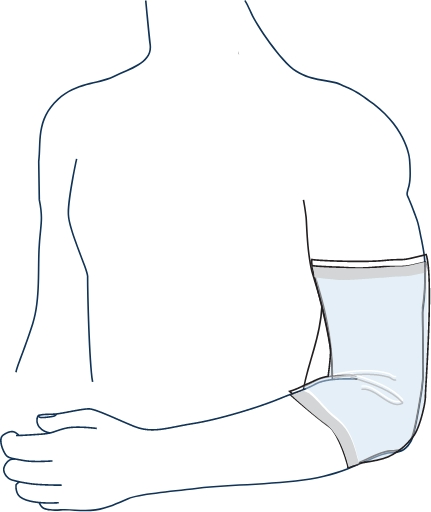
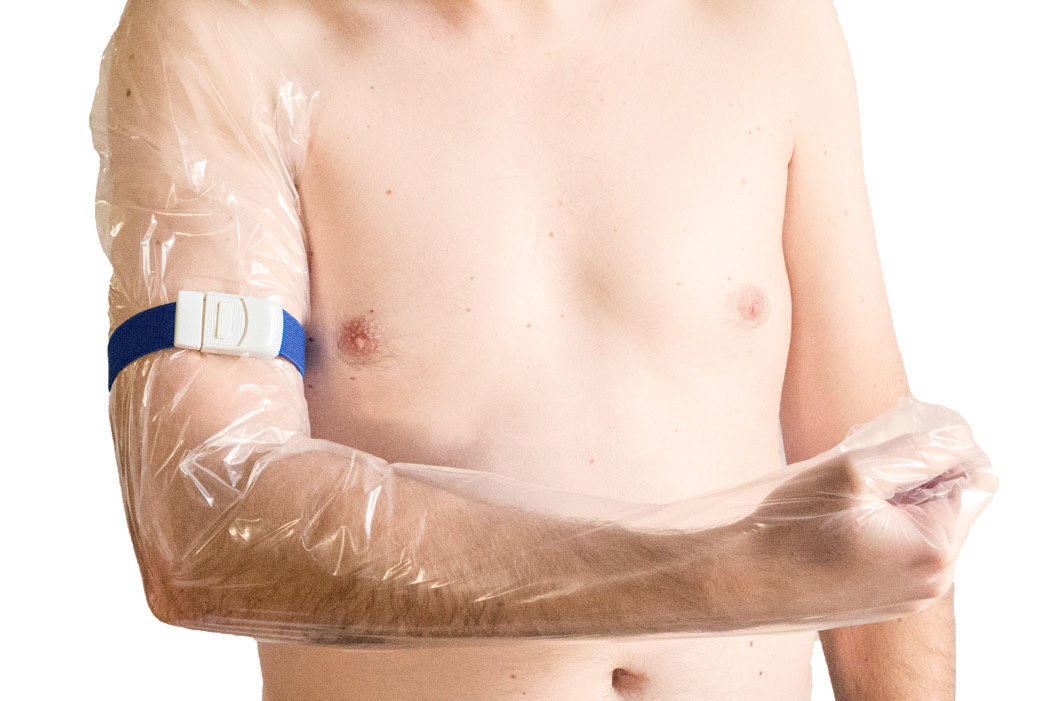
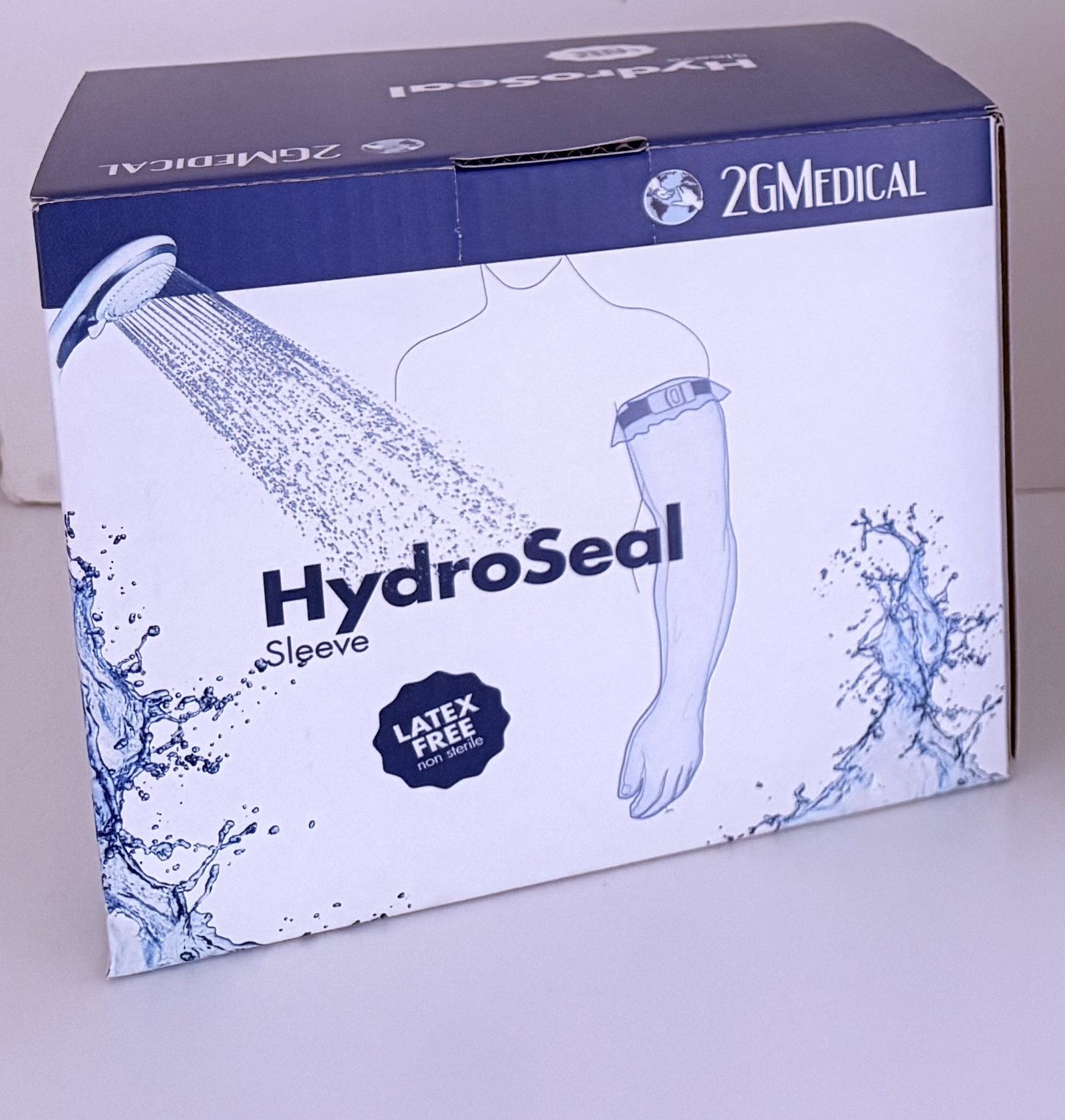
- Shower covers for every day you are away, plus a few spares. The HydroSeal Flex packs flat. The HydroSeal Sleeve covers the whole arm without adhesive.
- Tubular netting such as ProNet to keep the line from catching on bags, seatbelts and armrests
- Hand sanitizer and a clean pouch to keep supplies together
Airport security
A PICC line does not set off a metal detector, but it may show up on a body scanner. Tell the security officer before screening that you have a medical line and where it is. You can ask for a private screening, and you can ask that the officer not touch or press on the line area.
Medically necessary liquids, such as saline flushes and IV medicines, are allowed in carry-on bags in larger amounts than the usual liquid limit, but you should declare them at the checkpoint and keep them separate. Check your airline's and the security agency's current rules before you fly.
On the plane or in the car
- Choose an aisle seat on the opposite side from the line, so the line arm is away from the aisle and the armrest.
- Wear a loose long-sleeved top over the netting.
- Move your arm and walk around on long journeys. Drink water. Ask your team about anything extra they recommend for blood clot prevention.
Showering away from home
Hotel and guest showers are where most traveling dressings get wet: fixed overhead shower heads, strong pressure and unfamiliar layouts. Cover the line exactly as you would at home, turn your back to a fixed shower head, and keep it short. If the shower is awkward, wash at the sink that day instead. The full routine is in how to shower with a PICC line.
No swimming, no hot tubs, no baths, no lakes and no ocean while the line is in. A covered line is still not safe to submerge.
Get help where you are if...
- The dressing gets wet or comes loose and you cannot get it changed
- You have a fever or chills
- The arm, hand or neck on the line side swells
- The line is pulled, cracked or leaking
Call your own team first. If you cannot reach them, go to an urgent care or emergency department.
Frequently asked questions
Can I fly with a PICC line?
Many people do, once their care team agrees. Flying itself does not harm the line.
Will my PICC set off airport security?
It should not set off a metal detector. Tell the officer about it anyway, especially before a body scanner or pat-down.
Can I go to the beach with a PICC?
You can sit at the beach, but stay out of the water. Keep the line covered from sand and sun, and do not let it get wet.