After a week or two with a PICC line, a lot of people notice the same thing: the skin around the dressing is itchy, pink, and sore. By week four it can be raw. Tape, adhesive dressings and cleaning solutions all take a toll on skin that is covered and re-covered every week.
Some irritation is common and manageable. Some needs your care team to look at it. Here is how to tell the difference and what helps.
Quick answer: Tell your nurse about any itching or rash at the next dressing change, or sooner if it is spreading, blistering or painful. Do not scratch, lift the dressing edges or put creams under it. Less tape and fewer adhesive layers help: hold the line with tubular netting, and use a strap-on shower cover that does not stick to your skin.
Why the skin gets irritated
- Adhesive. Peeling a dressing or tape off can strip the top layer of skin. Clinicians call this medical adhesive-related skin injury. It shows up as redness, tears or blisters where the adhesive sat.
- Cleaning solutions. The antiseptic used at each dressing change can irritate some people's skin, especially when it is not fully dry before the dressing goes on.
- Moisture. Sweat or water trapped under a dressing softens the skin and makes it break down faster.
- Allergy. A few people react to a particular adhesive or dressing material. This often looks like a rash with the shape of the dressing.
- Infection. Redness that spreads, warmth, pain, pus or fever are signs of possible infection, not irritation. Call straight away.
What your care team can change
Your nurse has options you do not. They can switch to a different dressing or adhesive, use a protective skin film before the dressing goes on, change the antiseptic, remove dressings with an adhesive remover, and change how the line is secured. Tell them early. Skin that is caught early is easier to settle.
What you can do
- Do not scratch or lift the edges. A lifted edge lets in bacteria and means the dressing must be changed.
- Do not put lotion, cream or powder under or around the dressing unless your team gives you a specific product for it.
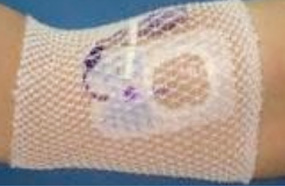
- Cut down on tape. Instead of taping the tubing to your arm, hold it with tubular netting. ProNet slides over the arm and keeps the line flat without sticking to anything.
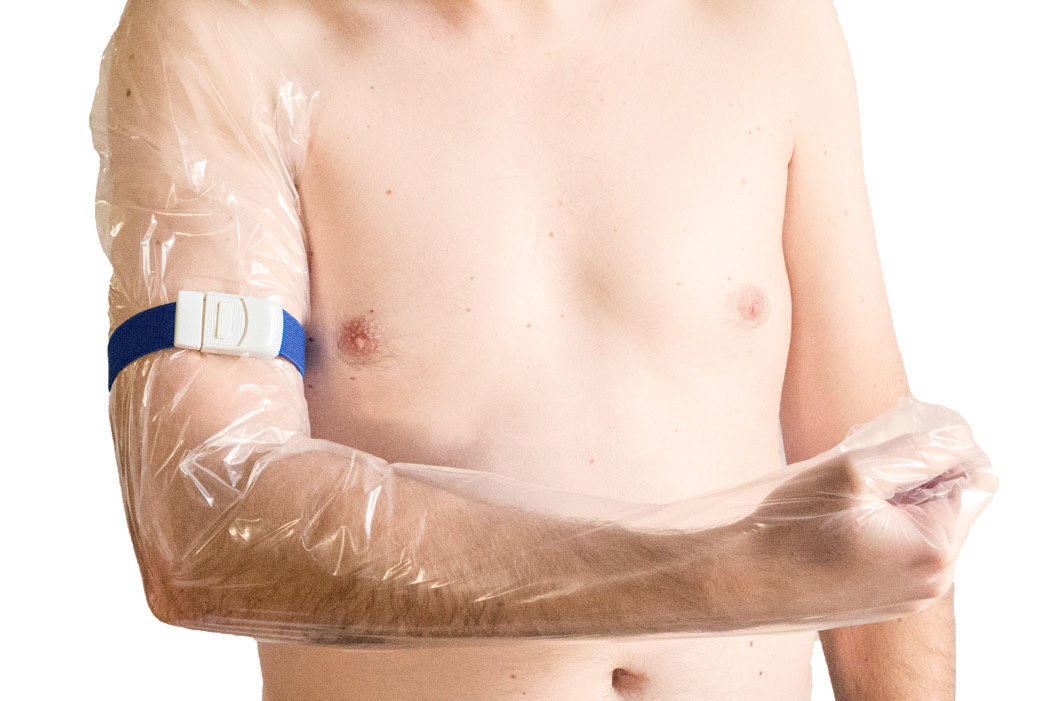
- Use a shower cover that does not stick. The HydroSeal Sleeve covers the whole arm and fastens with a strap above the dressing, so there is no extra adhesive on sore skin. Read how to shower with a PICC line for the routine.
- Keep the area dry. Short showers, a cool room and loose sleeves reduce sweat under the dressing.
- Wear soft fabric over the arm so seams and cuffs do not rub.
Call your care team today if...
- The redness is spreading, or the skin is warm and painful
- There is pus, oozing or blisters
- You have a fever or chills
- The dressing is lifting because of the irritation
- The rash appeared after a new dressing or new medicine
Frequently asked questions
Is it normal for a PICC dressing to itch?
Mild itching is common, especially as the dressing gets older. Itching with a rash, blisters or broken skin should be checked at the next dressing change or sooner.
Can I use hydrocortisone cream?
Not under or near the dressing unless your team says so. Creams stop the adhesive from sticking and can lift the dressing.
Will an adhesive shower barrier make it worse?
An adhesive barrier sticks to the skin around the dressing, which is fine for most people. If that skin is already sore, a strap-on cover such as the Sleeve avoids adding adhesive.