Being sent home on IV antibiotics is good news: it means you are well enough to leave the hospital. It also means you are now responsible for a line, a pump or bag, and a daily routine for weeks. Most people adapt within a few days once they have a system.
This guide covers the practical parts nobody has time to explain at discharge: showering, getting dressed, sleeping, and keeping the line safe through ordinary life.
Quick answer: Build your day around your infusion times, shower with the line and dressing fully covered, keep the line from snagging with loose sleeves or tubular netting, and know which problems mean a call to your home infusion team.
The line you go home with
Most people on home IV antibiotics have a PICC line or a midline in the upper arm. Some have a port or a tunneled line. Courses commonly run from one to six weeks, depending on the infection.
A home infusion nurse usually visits once a week to change the dressing, check the site and take blood if needed. Between visits, keeping the line clean, dry and secure is up to you.
Showering
The dressing has to stay dry for the whole course, so showering becomes a short routine rather than something you skip. A few habits make it easy:
- Shower between doses, with nothing connected. Never shower with the pump or bag attached.
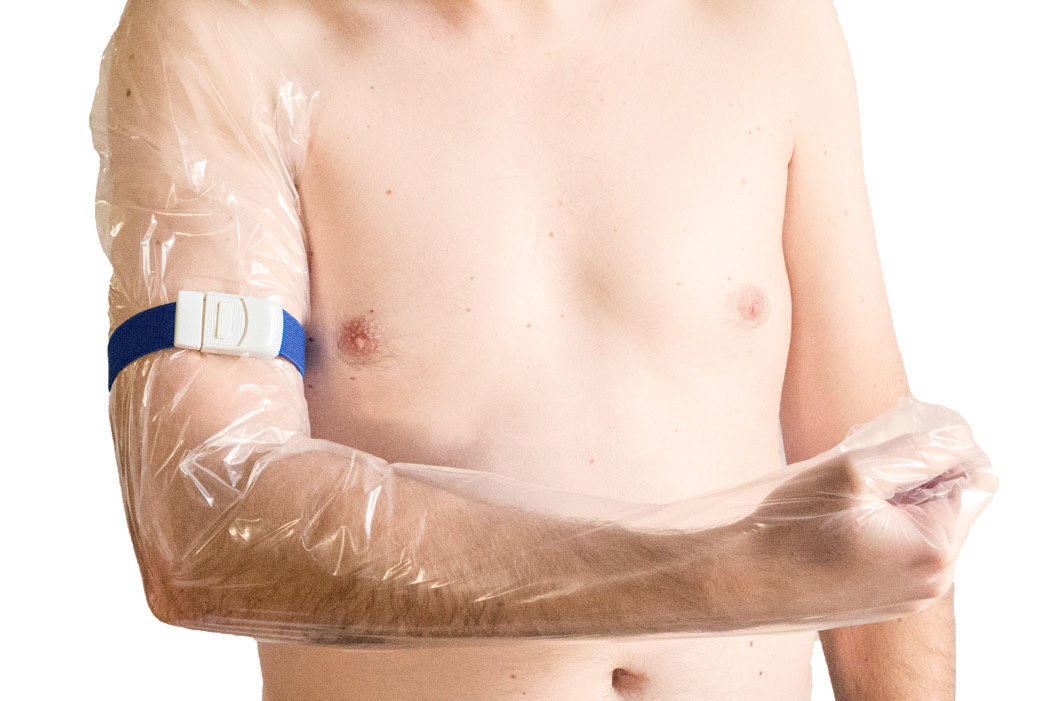
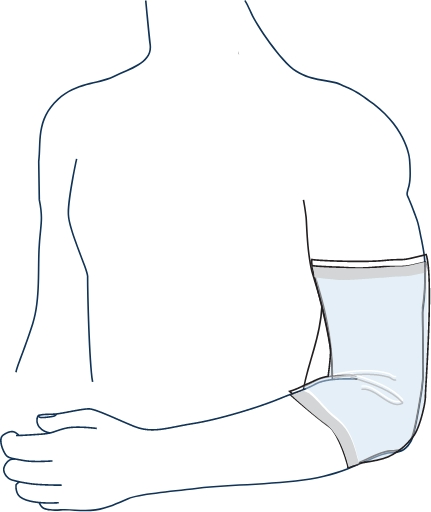
- Cover the whole site. The HydroSeal Sleeve covers the arm, dressing and tubing in one piece and fastens with a strap. The HydroSeal Flex is a smaller adhesive barrier sized for the upper arm.
- Keep the arm out of the spray and keep it short.
- Check the dressing afterwards. If it got wet, call your infusion team the same day.
The full routine is in how to shower with a PICC line. Never submerge the line: no baths, pools or hot tubs until the line is out and the site has healed.
Getting dressed
- Choose loose or short sleeves, button-up shirts and zip tops. A tight sleeve can drag on the dressing.
- Put the line arm into a sleeve first and take it out last.
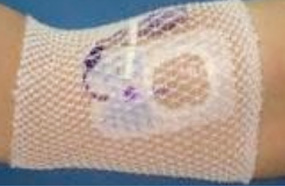
- Hold the tubing flat against the arm. Tubular netting such as ProNet does this without tape and keeps the line from catching on clothes, door handles and seatbelts.
Sleeping
Most accidental pulls happen at night. Sleep on your back or on the other side, keep the line covered with netting, and if you use an elastomeric "ball" pump overnight, keep it somewhere it cannot fall or be rolled on. More ideas are in sleeping with a PICC line.
Daily life
- Write your schedule down, including dose times, flushes and nurse visits, and keep it with your supplies.
- Keep supplies clean and in one place, away from pets and children.
- Wash your hands before touching the line, caps or pump.
- Avoid heavy lifting and repetitive arm work on the line side unless your team says otherwise.
- Plan trips around infusions. If you need to travel, see traveling with a PICC line.
Call your home infusion team if...
- You have a fever, chills or feel unwell after a dose
- The dressing is wet, loose or dirty
- The site is red, swollen, painful or leaking
- Your arm, hand or neck on the line side swells
- The line will not flush, the pump will not run, or a cap comes off
- You get a rash, itching or diarrhea from the antibiotic
Frequently asked questions
Can I go to work on home IV antibiotics?
Many people do, especially with once- or twice-daily doses. Ask your team about lifting, and keep the line covered and secure during the day.
Can I exercise?
Walking is usually encouraged. Ask before anything that works the line arm hard or makes you sweat heavily, since sweat can loosen the dressing.
What if I miss a dose?
Call your home infusion pharmacy or nurse for advice rather than doubling up.